
 For the first time in the over 100 year history of UMW we will start large scale composting. UMW produces over 5 tons of food waste a month, this is pre-and-post consumer waste. Previously this food would then go to landfills, a small portion would be rescued and donated, but most would be put into a landfill where it will create methane gas, a greenhouse gas that traps heat in the atmosphere. For at least the next three years we will divert an estimated 150 tons of food from the landfill and instead turn it into beneficial compost. This was all made possible from a grant from the Virginia Department of Environmental Quality.
Category Archives: Uncategorized

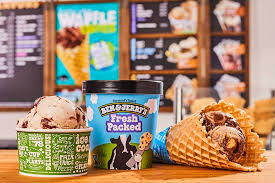
Ben & Jerry’s creating energy
 When food waste doesn’t decompose properly it creates methane gas which is 10X more potent that carbon dioxide (what burning fossil fuels emits). To take a negative and make it into a positive a Ben Jerry’s (of ice cream) fame is taking that powerful gas to make energy. Check it out: https://youtu.be/XmC8uaon8SY?si=r43AN9G66jhLiK2M
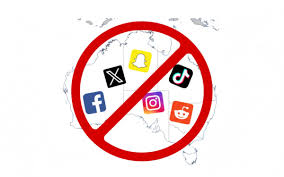
Is the social media ban (Australia) really a bad thing?
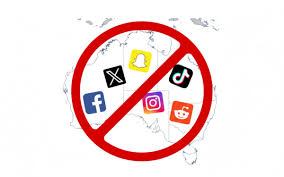 I asked my Digital Marketing class of about 50 students (mostly 20 – 22 years old with equal gender representation) the following question: “Go back to when you were 13 years old. What would you tell 13-year-old you about social media that you know now?”
Overwhelmingly the views on social media were negative, nobody said they wish they spent more time on it, nobody said it made their life better, nobody talked about how great it is. On the contrary, people used words such as addiction, mental health, and self worth. I compiled the results in this document. What would you tell 13 year old you about social media

Positive press about our food waste class
 It started by noticing how many people were food insecure in my area. From that I started reading more about the reasons behind food insecurity and that led me to the problem of food waste. How is it possible that we throw out over 30% of all food that is produced even though we have millions that are food insecure. It’s a major social and environmental problem, maybe we can bring together students from different backgrounds and go in-depth on this? Maybe a local retailer will help us study this. The course came together on a whim and I wasn’t sure what would come out of it but any expectations I had have been far exceeded. The students have contributed so much to the study of this issue, we’ve made a positive impact in our community, and we have the potential to really push positive change. I enjoy all my courses but this one really puts the cherry on top. To read the write up in the Richmond Times Dispatch please click here.

How do people assess a quality Airbnb?
 The pandemic is subsiding in several countries and tourism is picking up. In the United States traffic in the air and on the roads is at or exceeds pre-pandemic levels. One of the options that millions of guests will have is to book a stay at an Airbnb (except in the Outer Banks which is all booked up!). My most recent research with Tarik Dogru, Michel Laroche, Makarand Mody, and Courtney Seuss studied how guests assess those extra fees they have to pay. When an Airbnb has an extra fee for professional cleaning or a security deposit, it actually signals to guests that the host values cleaning and is willing to charge extra for it. We all hate extra fees but if you had to assess two different Airbnb’s with everything is being equal (including price) which AIrbnb do you think is cleaner? The one that has an extra-cleaning fee or the one that doesn’t, which would you choose? Our findings revealed that consumers prefer the one that has the extra cleaning fee. In short, we hate the fee but it signals quality. Communication quality while evoking loss – final proof – Tourism Management
