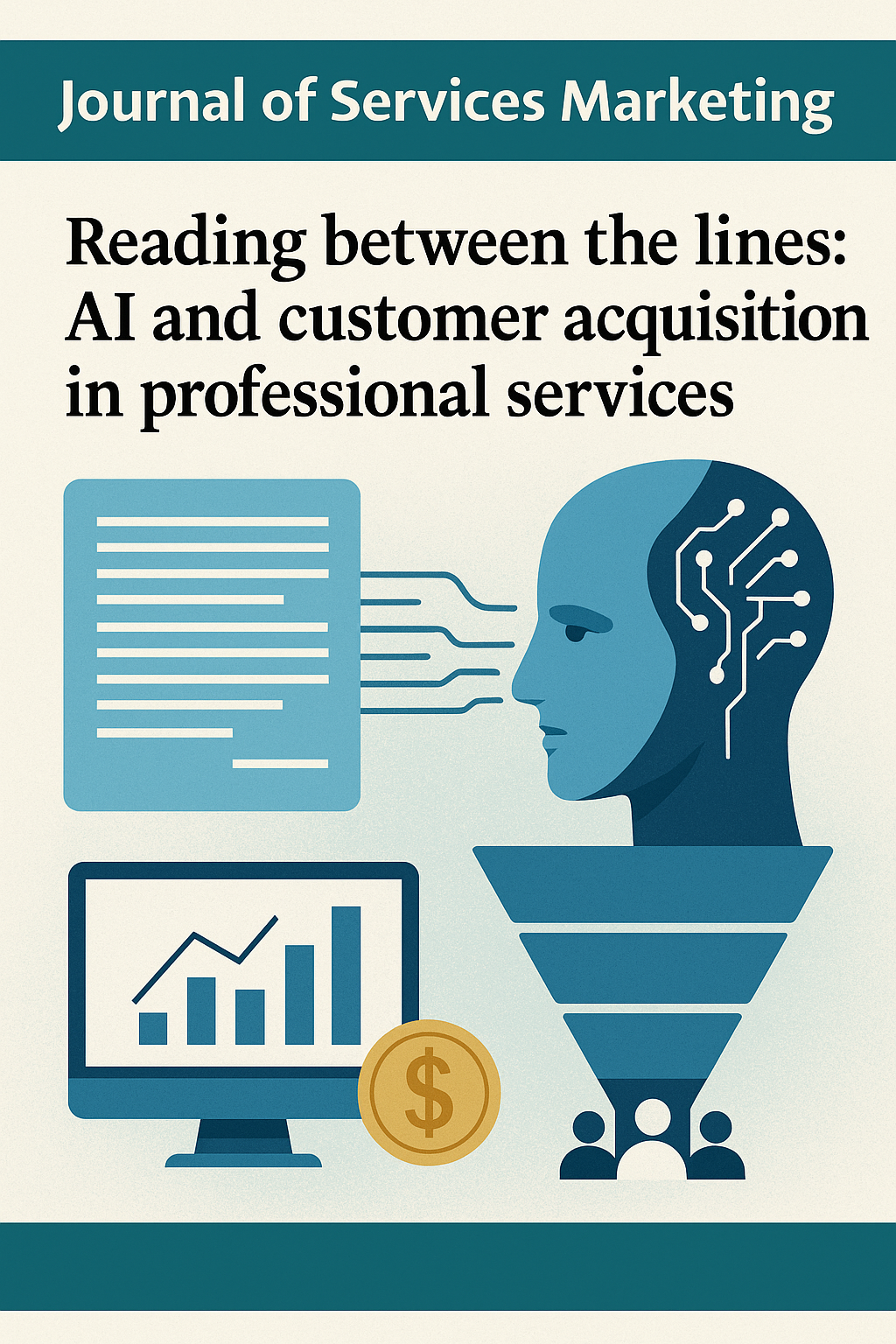
 Do you like this AI image? My colleague Michel Laroche and I recently completed a study where we used AI to examine what customers aid to a professional services firm. We found that AI did a great job predicting what customers were more likely to purchase based on the specificity they used in their words. A link to the paper is here: JSM756356 – Proof.

Can composting be profitable?
 For those that have been following my work, I’ve been focusing on food waste reduction efforts. One of the big things we can do help remove the harmful impact of date labels is to turn waste into compost. Compost reduces food waste, it is great for plants, and it’s better for soil than harmful fertilizers. There is a new startup in Fredericksburg that is bringing composting to households and businesses in the Fredericksburg area, I want to give them a shout out so that we can support their efforts. Give them a look: http://fxbgcompost.com

Experiences NOT exams
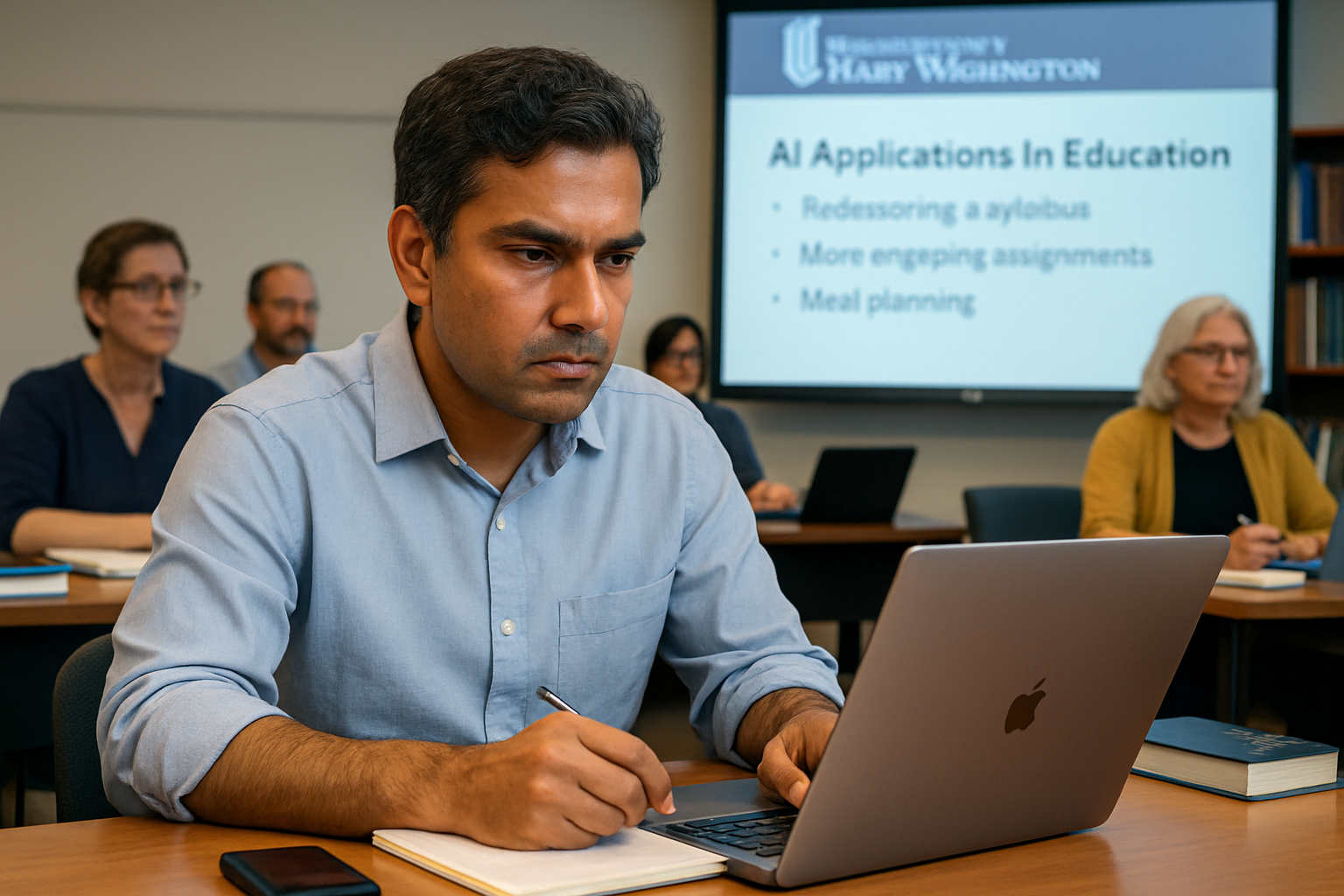
Ideas for AI usage on campus
 At the end of every academic year, faculty across campus come together for workshops aimed at helping us become better educators. This year, two workshops in particular stood out—and I made sure to attend both.
The first focused on how AI can enhance our teaching and everyday lives. Whether it’s redesigning a syllabus, brainstorming a more engaging assignment, or even figuring out what to make for dinner based on what’s in your fridge, AI has a role to play. I tested it out by running one of my class assignments—where students create webpages—through ChatGPT (my go-to AI tool). It gave me some practical, creative ideas for making the assignment more personalized and engaging for students. Thanks, ChatGPT!
The second workshop was about creating your own chatbot, which I found especially intriguing. The concept is similar to an oral exam: students respond to a prompt, and the chatbot follows up based on their answers. I’m planning to try this out in my own class. (If you’re curious, the platform we used is playlab.ai).
And yes—full disclosure—I edited this post and created the image above with a little help from AI, too.

Can AI be used to predict customer acquisition?
 My colleague Michel Laroche (Concordia) are exploring how AI can be trained to identify where someone is in the sales funnel and whether they are more likely to purchase. For professional service firms (like a home improvement firm), prospective customers will communicate to the from the firm what they want. For example, I may say that I want to remodel my master bathroom. Our research question is whether AI can look at these words to help predict whether a customer will accept the proposal and purchase from company. We recently presented this work at the AMA Winter Educators Conference in Phoenix, February 16, 2025. A copy of the presentation can be found here. Leveraging AI to predict customer acquisition – v1
