
 Airbnb, Uber, Lyft, VRBO are unique in that they are not focused on attracting customers, instead they are focused on attracting sellers. Without sellers (those who would share their homes or drive others around) the online sharing platforms collapse. The demand for the sharing economy is strong and seems to be growing. In order to keep pace with that demand it is imperative that the platforms attract diverse sellers into the sharing economy. Two of my independent study students, Katherine Greener and Sophia Somson recently explored that topic and presented their work at the American Marketing Association Winter Educators Conference in Austin, Texas. A copy of their poster can be found here. Attracting Diverse Sellers into the Sharing Economy – AMA Winter 2019
Category Archives: Research


Airbnb and the Sharing Economy

Yesterday, I had the pleasure of presenting some of my latest research to our alumni. My latest research examines the growth of the sharing economy and focuses in commercial operators (those who purchase properties for the primary purpose of renting them out on the Airbnb platform). A copy of my presentation can be found here: Profits and Losses from the Sharing Economy – Mary Talk – November 14 2018, the video of my presentation can be found here.

New Short-Term Rental Rules for Airbnbs in Fairfax County
 The Fairfax County Board of Supervisors recently voted on increased regulation pertaining to Airbnbs. The primary motivation for the new regulations was to eliminate commercial operators from operating in the short-term rental market. Commercial operators are those that buy properties for the primary purpose of operating them as hotels – this may eliminate the supply of affordable housing in the marketplace. The new regulations state that the owner must live in the property. To read more about the new regulations please click on the following link. https://www.fairfaxcounty.gov/news2/new-zoning-rules-to-allow-short-term-rentals/

It’s not a Ford, it’s a Mustang
 How would you rate a Ford? Do you place it among some of the coolest cars in the world? Probably not, but a Mustang is different. What this represents is that a product can have two reputations. There’s the manufacturer (Ford) and the product (Mustang). Our (my colleague Mooweon Rhee and I) studied this scenario and found that people can perceive the manufacturer one way but then they perceive the product in a different light. What this shows is that firms which may not have the best reputation can benefit by focusing more on building the reputation of the product instead of the reputation of the firm. You can read the article here: MIP-11-2017-0309
Don’t throw away the “incomplete” product
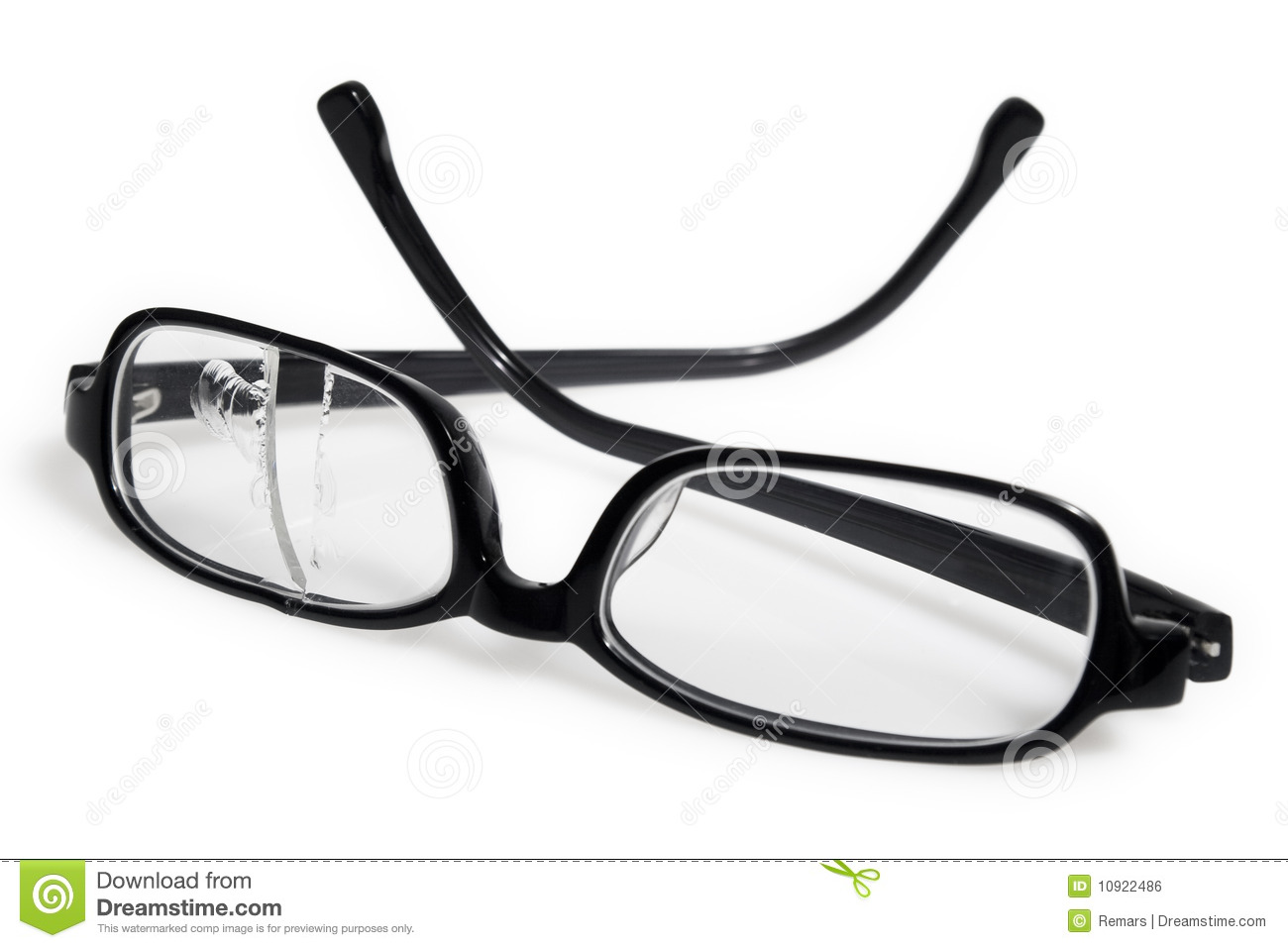
 We’ve all done it, something of ours breaks and we throw it away. The laptop we’re using no longer works unless it’s plugged in, the jacket you love has a broken zipper, or the dresser that you own has a broken drawer. Instead of fixing the problem or donating the product to someone else you decide to discard it. It’s easier to discard than it is to fix the problem, or you may be too embarrassed to donate a product that you wouldn’t use yourself to someone else. However, by discarding the product you contribute to the over 200 million tonnes of garbage that Americans discard each year. Many products (including the broken glasses on the left) are still useful: http://www.lionsclubs.org/EN/how-we-serve/health/sight/eyeglass-recycling.php. The key to preventing this waste is to think of products as a collection of independent parts rather than a whole that is reliant on all of the parts. Dr. Dave Kolar and I recently presented a study at the Marketing and Public Policy Conference in D.C which found that consumers are more likely to donate based on the level of product completeness. The more we view a product as complete the less likely we are to discard it. To see a summary of our study please click on the link: MPPC Poster – June 5 2017.
